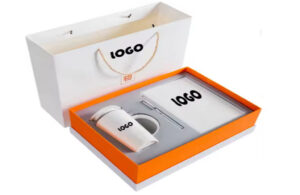



The landscape of brand merchandising is shifting, and the epicenter of that change is East Asia. For global marketers, procurement officers, and small business owners, keeping an eye on the trending promotional products in China supplier is no longer just a sourcing strategy; it is a crystal ball for consumer behavior. China is not only the world’s largest manufacturer of promotional goods but also a hyper-competitive market where trends emerge, explode, and evolve at dizzying speed. Understanding which products are gaining traction there allows brands anywhere in the world to stay ahead of the curve, offering giveaways that feel fresh, relevant, and desirable rather than dated and disposable.
In the past, promotional products were often an afterthought: cheap pens, generic keychains, or plain lanyards stamped with a logo. Those days are disappearing. Today, the trending promotional products in China reflect broader shifts in technology, environmental consciousness, lifestyle changes, and aesthetic preferences. A brand that chooses a promotional item that aligns with these trends sends a powerful message. It tells the recipient that the company is modern, responsible, and attentive to detail. Conversely, handing out outdated promotional goods can subtly damage a brand’s perception, making it seem out of touch.
This article explores the most significant categories within the trending promotional products in China. It does not name specific manufacturers or online marketplaces. Instead, it focuses on the what and the why: the product types, materials, features, and design languages that are capturing attention in the world’s most dynamic promotional products market. By understanding these trends, any business can make smarter, more effective choices for its next campaign, event, or employee recognition program.
Table of Contents
ToggleThe Rise of Sustainable and Eco-Friendly Giveaways
The single most powerful force shaping the trending promotional products in China today is sustainability. For years, environmental concerns were seen as a niche interest, but they have moved firmly into the mainstream, particularly among younger consumers. Chinese domestic brands and international exporters have responded by developing a wide range of promotional items made from recycled, biodegradable, or rapidly renewable materials. This shift is not merely cosmetic; it represents a fundamental change in how products are conceived, from raw material sourcing to end-of-life disposal.
Among the most visible sustainable options are items made from recycled plastics. Ocean-bound plastic, in particular, has captured the imagination of environmentally conscious brands. A promotional pen whose body is made from recycled fishing nets or plastic bottles tells a compelling story. Similarly, bags made from recycled PET (rPET) have become ubiquitous, replacing traditional non-woven polypropylene bags that were often criticized for their low durability and environmental impact. The new generation of recycled bags is often thicker, better designed, and genuinely reusable, turning a simple giveaway into a long-term utility item.
Another exciting area within sustainable trending promotional products in China is the use of agricultural waste. Materials like rice husk, wheat straw, coffee grounds, and bamboo fiber are being transformed into durable, attractive products. A coffee mug whose exterior contains actual coffee grounds has a unique texture and a subtle, pleasant scent. A pen made from wheat straw feels warm and natural in the hand. These materials are often biodegradable or compostable under the right conditions, offering a genuine end-of-life solution that traditional plastics cannot match. For brands with strong environmental credentials, these products are a perfect match.
Bamboo deserves a special mention. As one of the fastest-growing plants on Earth, bamboo is highly renewable and requires no pesticides or irrigation to thrive. The trending promotional products in China include a vast array of bamboo items: from sleek USB drives housed in bamboo casings to lunch boxes, water bottles, notebooks, and even phone stands. Bamboo offers a natural, warm aesthetic that contrasts beautifully with the coldness of metal and plastic. It photographs well, feels premium, and communicates environmental responsibility without shouting about it. A bamboo product says “sustainable” quietly but convincingly.
Technology Meets Practicality: Smart Promotional Products
The integration of simple technology into everyday objects is another major driver of the trending promotional products in China. Consumers have become accustomed to smart devices in their homes and pockets, and they now appreciate promotional items that offer a touch of technological convenience. However, the key word here is simple. The most successful tech-infused promotional products do not try to compete with smartphones or smartwatches. Instead, they solve small, specific problems elegantly.
Bluetooth trackers have emerged as a surprisingly popular promotional item. These small discs, which attach to keychains, wallets, or bags, allow users to locate misplaced items using a smartphone application. For a brand to give away a Bluetooth tracker is to offer genuine peace of mind. It is a highly useful item that the recipient will likely carry every day, keeping the brand logo constantly visible. Similarly, smart cardholders that block RFID signals to prevent electronic pickpocketing have become common corporate giveaways, especially for brands in finance, travel, or technology.
Another category within tech-infused trending promotional products in China is the solar-powered device. Solar chargers for phones, solar-powered Bluetooth speakers, and solar garden lights are gaining popularity. These products appeal to outdoor enthusiasts, campers, and anyone concerned about emergency preparedness. They also carry a strong environmental message, as they reduce reliance on grid electricity. A brand that gives away a small solar charger is associating itself with self-sufficiency, adventure, and clean energy.
LED lighting has also become a playground for promotional product designers. Gone are the days of simple keychain lights. Today, the trending promotional products in China include LED lamps that fold flat, LED strips that stick to the back of laptop screens for video call lighting, and even LED-illuminated drink coasters that light up when a glass is placed on them. These items are often powered by rechargeable batteries via USB-C, aligning with the universal charging standard that now dominates consumer electronics. They are fun, practical, and visually striking, making them excellent trade show giveaways where standing out is the primary goal.
The Comfort and Wellness Boom
The global focus on health, wellness, and comfort, accelerated by recent years of home-centric living, has profoundly influenced the trending promotional products in China. People want items that make their daily lives more comfortable, less stressful, or healthier. This trend cuts across demographics, appealing equally to office workers, remote employees, students, and retirees. Promotional products that address physical well-being are perceived as generous and thoughtful, reflecting well on the brand that distributes them.
Ergonomic office accessories are a significant part of this trend. As hybrid and remote work become permanent fixtures, people are upgrading their home workstations. Promotional items that support this include memory foam wrist rests for keyboards and mice, laptop stands that raise screens to eye level, and footrests that improve posture. These products show that a brand cares about the recipient’s long-term health, not just a momentary impression. They are also used daily, ensuring repeated brand exposure.
Another major category is stress relief. The trending promotional products in China include a remarkable variety of fidget tools and stress relievers, far beyond the classic stress ball. There are magnetic rings that spin silently, cubes with different fidgeting mechanisms on each side, and squishy toys made from slow-return memory foam. These items are popular not only with adults who experience workplace anxiety but also with parents looking for quiet, non-digital diversions for their children. A brand that gives away a high-quality fidget tool acknowledges the realities of modern stress and offers a small, helpful solution.
Massage tools have also entered the promotional product mainstream. Small handheld percussion massagers, acupressure rings, and neck massagers that can be heated in a microwave are all gaining traction. These products appeal to athletes, office workers with stiff necks, and anyone experiencing muscle tension. While full-sized massage guns remain expensive for bulk promotional orders, smaller, simpler massage tools offer an accessible alternative. They feel luxurious and indulgent, yet they are practical and health-focused.
Sleep-related products represent another frontier. Eye masks made from silk or memory foam, small portable white noise machines, and aromatherapy diffusers that fit in a car’s cup holder are among the trending promotional products in China. Sleep is a universal need, and products that improve sleep quality are almost always welcomed. A brand that associates itself with rest and recovery communicates a message of balance and self-care, which resonates strongly in fast-paced modern societies.
The Aesthetic of Nostalgia and Retro Design
Fashion and design are cyclical, and the promotional products industry is no exception. The trending promotional products in China currently show a strong appetite for nostalgia and retro aesthetics. This trend is driven by younger consumers, particularly those in their twenties and thirties, who are drawn to the analog charm of previous decades. For them, a product that looks or feels like it came from the 1980s, 1990s, or early 2000s is not outdated; it is cool, ironic, or comforting.
One of the most visible manifestations of this trend is in audio products. Retro-style portable speakers that mimic the look of old transistor radios, cassette players, or boom boxes are very popular. These speakers often have faux leather coverings, physical knobs that click, and colorful LED displays that simulate analog VU meters. Despite their vintage appearance, they contain modern Bluetooth technology and rechargeable batteries. A brand that gives away such a speaker offers a conversation piece that combines old-school charm with contemporary functionality.
Cameras and photography-related items have also gone retro. Small digital cameras styled to look like old film cameras, complete with fake viewfinders and shutter sounds, are trending. So are instant cameras that print photos on the spot, appealing to the same desire for tangible, physical media that has driven the vinyl record revival. For promotional use, simpler items like photo albums with vintage covers, or notebooks designed to look like old cassette tape cases, capture the same nostalgic spirit at a lower price point.
Writing instruments have not been left behind. While ballpoint pens remain standard, there is growing interest in fountain pens, rollerballs with visible ink reservoirs, and mechanical pencils with brass or aluminum bodies. These products feel substantial and permanent in an age of digital ephemera. They encourage slow, deliberate writing, which can be a meditative act. A brand that gives away a high-quality, retro-styled pen suggests a respect for craftsmanship, tradition, and the written word.
Color palettes within this trend tend toward warm, faded, or earthy tones. Mustard yellow, burnt orange, olive green, and cream white dominate, mimicking the colors of faded photographs or well-worn denim. Packaging for these products often uses recycled kraft paper, twine, and simple typography, further enhancing the vintage feel. For brands whose identity includes heritage, craftsmanship, or a rebellious spirit, the nostalgia trend offers a rich vein of promotional possibilities.
Customization Beyond the Logo
One of the most significant shifts within the trending promotional products in China is the move toward deeper, more meaningful customization. In the past, customization meant printing a logo on a standard product. Today, brands are demanding much more. They want products that can be customized in terms of shape, color, material, packaging, and even function. This demand for uniqueness is driven by the saturation of the promotional market; a standard pen with a logo no longer turns heads.
Color customization is the most accessible form of deep customization. Instead of accepting the manufacturer’s standard colors, brands can now request specific Pantone matches. This ensures that the promotional product perfectly aligns with the brand’s visual identity. A water bottle in a brand’s exact shade of blue, or a notebook with a cover that matches a brand’s specific green, creates a cohesive, professional look that off-the-shelf colors cannot achieve.
Shape customization is more complex but increasingly common. Some of the trending promotional products in China involve custom-molded shapes that reflect a brand’s product, logo, or mascot. A pizza restaurant might commission a stress reliever shaped exactly like a slice of pizza. A car manufacturer might order USB drives shaped like its most popular model. A software company might give away squishy toys shaped like its app icon. These custom shapes are memorable and shareable, often ending up on social media, which provides free additional exposure for the brand.
Packaging customization is another frontier that is often overlooked but highly impactful. A promotional product that arrives in a custom-printed box, wrapped in tissue paper with a branded sticker, feels like a gift rather than a handout. The unboxing experience matters. The trending promotional products in China increasingly come with packaging that is itself sustainable, reusable, or beautifully designed. Some brands even commission small fabric pouches or metal tins that recipients can repurpose for other uses. This attention to presentation elevates the perceived value of the giveaway dramatically.
Finally, digital customization is emerging. Some promotional products can be pre-loaded with digital content. A USB drive can contain a welcome video, a product catalog, or a discount code. A Bluetooth speaker can be pre-paired to a brand’s social media page via NFC. A smart notebook can include a code for a free month of a related digital service. This blending of physical and digital customization creates a seamless brand experience that extends beyond the object itself.
The Enduring Appeal of Drinkware
No discussion of trending promotional products in China would be complete without acknowledging the continued dominance of drinkware. Water bottles, coffee mugs, tumblers, and travel cups remain perennial favorites, but they are evolving. The drinkware of today is smarter, more beautiful, and more specialized than ever before. Its enduring popularity is easy to explain: almost everyone drinks something every day, and a reusable drinkware item reduces reliance on single-use cups and bottles.
Vacuum-insulated stainless steel bottles are the undisputed champions of the category. These bottles keep drinks cold for twenty-four hours or hot for twelve, making them suitable for everything from iced coffee to hot tea. They are durable, dishwasher-safe (usually), and highly customizable. The trending promotional products in China within this subcategory include bottles with unique finishes, such as powder coating, hydro dipping, or even real wood veneers. Bottles with integrated infusers for fruit or herbs are also popular, appealing to health-conscious consumers who enjoy flavored water.
Ceramic mugs have also been reinvented. While the classic white ceramic mug with a logo on one side will never disappear, there is a growing demand for more interesting mugs. Color-changing mugs that reveal a hidden design when filled with hot liquid remain popular. Mugs with three-dimensional sculptural elements, such as a cat’s tail forming the handle or a mountain range rising from the base, attract attention. Mugs made from stoneware or porcelain with reactive glazes, which create unique, unpredictable patterns, appeal to those who value artistry and individuality.
Tumblers with straws have become a cultural phenomenon in their own right. These large, often colorful cups with tight-sealing lids and reusable straws are designed for cold drinks, particularly iced coffee and water. They have become a lifestyle accessory, with some people owning multiple tumblers in different colors. For promotional use, a high-quality tumbler with a straw offers excellent brand visibility, as it is carried in public and often left on desks. The main challenge is standing out in a crowded market, which is why unique colors, patterns, and lid designs are so important.
Travel mugs designed specifically for car cup holders represent another specialized subcategory. These mugs are tapered at the base to fit standard car cup holders, have non-slip coatings, and feature lids that can be opened with one hand while driving. They often have a slim profile that fits under home coffee makers. For brands targeting commuters, road warriors, or anyone who spends significant time in a vehicle, a purpose-designed travel mug is a thoughtful and highly usable giveaway.
The Future: Modular and Multi-Functional Products
Looking ahead, the trending promotional products in China are moving toward modularity and multi-functionality. Consumers are increasingly value-conscious and space-conscious, especially in urban environments where storage is limited. A single product that performs multiple functions or that can be reconfigured for different uses offers greater value than several single-purpose items. This trend also appeals to minimalist and sustainability-minded consumers who prefer to own fewer, better things.
Modular bags and backpacks are an example. A bag that can be used as a backpack, a crossbody bag, and a briefcase by moving straps or zipping on different compartments offers flexibility for different occasions. Similarly, modular organizers with removable dividers can serve as a camera bag, a tech organizer, or a toiletry kit. These products invite the user to interact with them, to adapt them to their needs, which creates a stronger emotional connection than a static product.
Multi-functional tools have expanded far beyond the classic Swiss Army knife. Today, there are credit-card-sized multi-tools that fit in a wallet, keychain tools that include a bottle opener, screwdriver, and box cutter, and even pens that include a level, a ruler, and a stylus. These products appeal to the same practical, problem-solving mindset. They are often made of metal, giving them a satisfying weight and durability. A brand that gives away a clever multi-tool associates itself with ingenuity and preparedness.
Stationery sets that combine multiple functions are also trending. A notebook that includes a pen loop, a bookmark, a page holder, and a pocket for business cards is more useful than a plain notebook. A desk organizer that includes a phone stand, a pen holder, a paperclip container, and a sticky note dispenser clears clutter while providing multiple functions. These products are especially popular for office giveaways, employee onboarding kits, and client appreciation gifts. They make the workspace more efficient and more pleasant, which is always appreciated.
Finally, furniture and large items are beginning to appear in the promotional world, albeit for very high-end budgets. Foldable stools that double as side tables, laptop desks that convert into standing desks, and modular shelving that requires no tools to assemble are all emerging. These products are expensive to produce and ship, so they are reserved for top-tier clients, long-term employees, or exclusive event giveaways. However, their presence signals the direction of the industry: toward products that are genuinely useful, space-efficient, and beautifully designed, rather than cheap and forgettable.
Conclusion
The world of promotional merchandise is more dynamic and interesting than ever before. The trending promotional products in China reveal a market that is responsive to environmental concerns, eager to integrate simple technologies, attuned to the importance of wellness and comfort, and appreciative of nostalgic aesthetics. At the same time, the demand for deep customization and modular, multi-functional designs shows that brands and consumers alike are moving beyond the logo-stamped giveaway. They want products that are useful, beautiful, and meaningful.
For any brand planning a promotional campaign, the message is clear. Investing time in understanding these trends pays dividends. A well-chosen promotional product that aligns with current trends will be used, valued, and remembered. It will generate positive associations with the brand and may even spark conversations or social media posts. In contrast, a generic or outdated promotional item is likely to be ignored, discarded, or even resented. By looking to the trends emerging from China, brands can ensure that their next giveaway is not just another product, but a genuine asset to the recipient and a true reflection of the brand’s values and vision. The future of promotional products is already here, and it is sustainable, smart, comfortable, nostalgic, and deeply customizable.